
Imagine a kitchen where every peel, jar, and scrubber tells a story of care for the planet. A zero-waste kitchen isn’t just a trend; it’s a lifestyle shift that reduces waste, saves money, and makes cooking a joyful act of sustainability. By choosing zero waste kitchen products, you can transform your space into a hub of eco-conscious choices. From reusable covers to compostable cleaning cloths, these tools help you live greener. This guide dives into the world of sustainable kitchen products, sharing stories, tips, and tools to fascinate and educate. Ready to make your kitchen a waste-free haven? Let’s explore the essentials that make it possible.
Why Choose a Zero-Waste Kitchen Lifestyle?
A zero-waste kitchen minimizes trash by focusing on reducing, reusing, and recycling. Kitchens generate significant waste—food scraps, plastic packaging, and single-use items add up fast. In the U.S., households toss out about one pound of food daily, costing families around $1,500 yearly. Adopting a zero-waste approach cuts this waste, saves resources, and reduces landfill contributions. It’s a practical way to live sustainably while keeping your kitchen functional and beautiful.
The benefits extend beyond the environment. A zero-waste kitchen encourages mindful shopping, like choosing bulk items or loose veggies, which often saves money. It also sparks creativity, turning scraps into broths or cleaners. By using sustainable kitchen products, you reduce your environmental impact and inspire others. Start small with a waste audit to identify what you toss most. This simple step sets the foundation for a greener kitchen routine.
Essential Zero-Waste Kitchen Products to Start With
Transitioning to a zero-waste kitchen begins with the right tools. These essentials replace single-use items, making sustainability seamless. Glass jars, beeswax wraps, and stainless steel containers are game-changers for food storage. They’re durable, safe, and keep food fresh without plastic waste. For example, mason jars store bulk grains, while silicone baking mats eliminate parchment paper waste.
- Mason Jars: Perfect for grains, spices, or leftovers; reusable and versatile.
- Beeswax Wraps: Replace plastic wrap for covering bowls or wrapping snacks.
- Stainless Steel Containers: Ideal for lunches or freezer storage; non-toxic and long-lasting.
- Cloth Produce Bags: Use for bulk shopping; washable and lightweight.
- Wooden Dish Brush: Compostable heads make dishwashing eco-friendly.
These zero waste kitchen essentials are affordable and widely available at stores like Walmart or online. Start with one or two swaps, like a reusable cutlery set or a countertop compost bin, to ease into the lifestyle. Over time, these tools become part of your daily kitchen routine, reducing waste effortlessly.
Food Storage Solutions for a Waste-Free Kitchen
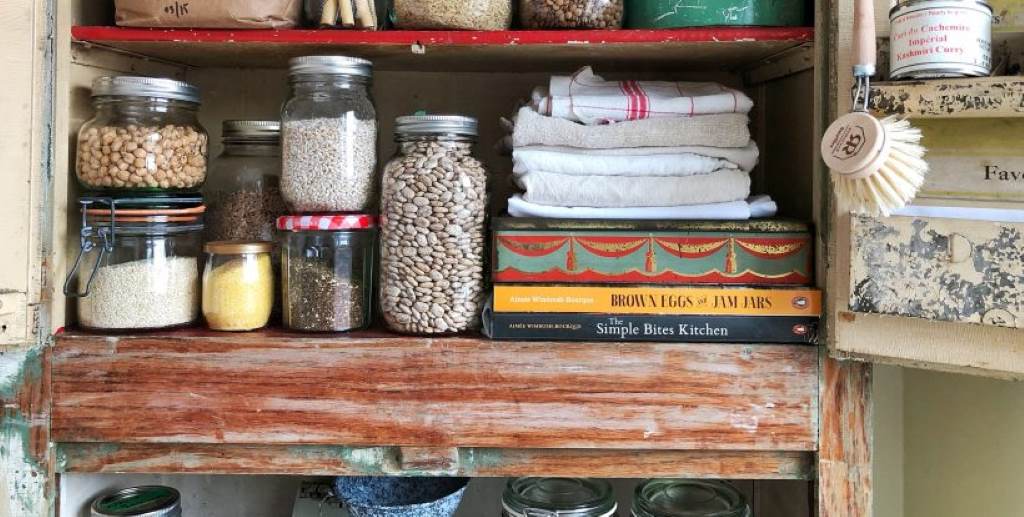
Food storage is a cornerstone of a zero-waste kitchen. Plastic bags and cling wrap contribute to plastic waste, which takes centuries to decompose. Instead, opt for reusable covers like silicone stretch lids or beeswax wraps. These keep food fresh while cutting down on single-use plastics. For example, Food Huggers snugly fit over cut fruits or veggies, preserving them without waste.
Glass and stainless steel containers are also vital. They’re safe for reheating, unlike plastic, which can leach chemicals. Silicone bento boxes or snack sacks are perfect for lunches, offering durability and style. By choosing these food storage supplies, you reduce waste and add charm to your kitchen. Store leftovers in clear glass to avoid forgetting them, further curbing food waste. These swaps are simple yet impactful, making your kitchen both functional and eco-friendly.
Eco-Friendly Cleaning Tools for a Greener Kitchen
Cleaning products often create waste with plastic bottles and toxic chemicals. A zero-waste kitchen embraces natural materials and refillable options. Swap single-use sponges for a compostable cleaning cloth or a Swedish dishcloth, which absorbs 20 times its weight. Solid dish soap or a dish soap block reduces packaging, while a wooden dish brush with a bamboo lid scrubs pots cleanly.
- Swedish Dishcloth: Reusable, biodegradable, and highly absorbent.
- Solid Dish Soap: Plastic-free and long-lasting; pair with a bamboo pot scrubber.
- Refillable Spray Bottle: Fill with DIY vinegar-based cleaners.
- Compostable Trash Bags: Line your countertop compost bin for easy waste management.
- Multipurpose Hand Brush: Tackles tough stains without plastic waste.
These eco-friendly kitchen products make cleaning sustainable and cost-effective. For a sparkling sink, try a copper scrubber or a husky sponge. Mixing vinegar and baking soda creates a powerful, natural cleaner. These tools keep your kitchen hygienic while aligning with a zero-waste lifestyle.
Composting: Turning Scraps into Treasure
Composting is a fun, effective way to manage food waste in a zero-waste kitchen. About 30% of household waste is organic, like vegetable peels or coffee grounds. A kitchen compost bin transforms these scraps into nutrient-rich soil. Countertop compost bins are compact and odor-free, perfect for small spaces. Pair them with compost bin bags for easy transfer to an outdoor bin.
Start by collecting scraps like eggshells, fruit peels, and veggie ends. Avoid meat or oily foods to keep your compost healthy. A zero-waste kitchen kit often includes a countertop bin to make composting part of your routine. If outdoor composting isn’t an option, check local programs for drop-off sites. Composting reduces landfill waste and enriches your garden, making it a rewarding step toward a waste-free kitchen.
Discover Now:
Benefits of Using Hermetic Storage Bags for Grain Storage
Discover the Best Street Food Culinary in Houston, Texas
Sustainable Cooking and Baking Tools
Cooking and baking can generate waste, but sustainable kitchen products make it easy to go green. Swap disposable parchment paper for a silicone baking mat, which is reusable and non-stick. Bamboo and palm pot scrubber brushes or wooden dish brushes clean cookware without plastic. A reusable cutlery set or stainless steel straw adds eco-friendly flair to meals.
Cast iron or stainless steel pans are durable and non-toxic, unlike Teflon, which releases harmful chemicals when heated. A blue stainless steel drinking bottle keeps hydration sustainable. For baking, try a reusable baking sheet or a mini stainless funnel for spice refills. These tools reduce waste while enhancing your cooking experience. They’re investments in a healthier planet and a more enjoyable kitchen routine.
Shopping Smart: Zero-Waste Grocery Tips
Smart shopping is key to a zero-waste kitchen. Plastic packaging is a major culprit in kitchen waste, but bulk shopping cuts it out. Use a mesh market bag or organic mesh produce bags for loose fruits and veggies. Bring glass jars for grains, spices, or snacks from bulk bins. A zero-waste kitchen plan includes meal planning to buy only what you need, reducing food waste.
- Plan Meals: Write a list to avoid impulse buys.
- Shop Bulk: Buy rice, nuts, or spices from bins.
- Use Reusable Bags: Cloth bags or jars replace plastic.
- Visit Farmers’ Markets: Find package-free produce.
- Choose Loose Items: Pick unpackaged carrots or apples.
These habits save money and reduce your environmental impact. Bulk foods are often fresher, and you can buy exact amounts, minimizing waste. A zero-waste kitchen starter kit with reusable bags and jars makes shopping fun and sustainable. Over time, these practices become second nature, transforming your kitchen into a waste-free zone.
DIY Recipes for a Zero-Waste Kitchen
Making your own kitchen staples is a creative way to reduce waste. DIY recipes cut out plastic packaging and artificial ingredients. Try a simple all-purpose cleaner with vinegar, water, and citrus peels. For condiments, whip up ketchup with tomato paste and spices, stored in a glass jar. These recipes are budget-friendly and align with a zero-waste kitchen.
- Citrus Cleaner: Infuse vinegar with orange peels; dilute and spray.
- Homemade Ketchup: Mix tomato paste, vinegar, and maple syrup.
- Nut Butter: Blend roasted almonds in a food processor.
- Salad Dressing: Combine olive oil, vinegar, and mustard.
- Bread Crumbs: Grind stale bread for casseroles.
These recipes use pantry staples and food scraps, like lemon peels or veggie ends, to create something new. They’re easy to make and store in reusable containers, enhancing your zero-waste kitchen organization. Plus, they add a personal touch to your sustainable kitchen routine.
Challenges and Solutions in a Zero-Waste Kitchen
Going zero-waste isn’t without hurdles. Initial costs for items like a zero-waste dish brush kit or silicone travel wine glasses can feel high. However, they save money long-term by replacing disposables. Access to bulk stores may be limited, but you can focus on loose produce or online bulk options. Time constraints can also challenge composting or DIY recipes.
Solutions include starting small—swap one item, like a pop-up dish sponge, before investing more. Use existing plastic containers until they wear out; that’s still zero-waste. For bulk shopping, check farmers’ markets or co-ops. Set aside 10 minutes weekly for composting or meal prep to build habits. These steps make a zero-waste kitchen realistic and rewarding, even for beginners.
The Impact of Zero-Waste Kitchen Products
Zero-waste kitchen products do more than declutter your trash bin. They conserve resources by reducing the need for single-use items. For example, a reusable paper towel saves hundreds of disposables yearly. These swaps also lower your carbon dioxide emissions by cutting landfill waste. Organic cotton napkins or certified organic produce bags add style while being kind to the planet.
Health benefits are significant too. Glass and stainless steel don’t leach chemicals, unlike plastic. A zero-waste kitchen encourages plant-forward recipes, reducing processed food intake. By embracing these products, you contribute to a global movement for sustainability. Each small change, like using a compostable kitchen sponge, ripples outward, inspiring others to live waste-free.
Conclusion: Start Your Zero-Waste Kitchen Journey Today
A zero-waste kitchen is a story of small choices with big impact. By choosing sustainable kitchen products like beeswax wraps, stainless steel containers, or a kitchen compost bin, you reduce waste and create a healthier home. These tools make eco-friendly living accessible and fun, turning your kitchen into a hub of sustainability. Start with one swap, like a Swedish dishcloth or a solid dish soap, and watch your waste shrink. Share your journey in the comments below or spread the word to inspire others. Your zero-waste kitchen adventure begins now—make it a tale worth telling!
FAQs
What is a zero-waste kitchen?
A zero-waste kitchen minimizes trash by using reusable, compostable items and smart shopping to reduce food and plastic waste.
Why are zero-waste kitchen products important?
They cut landfill waste, save money, and reduce environmental impact by replacing single-use plastics with sustainable alternatives.
Are zero-waste kitchen products expensive?
Initial costs may be higher, but reusable items like jars or cloths save money over time by eliminating disposables.
How do I start composting in my kitchen?
Use a countertop compost bin for scraps like peels or coffee grounds, then transfer to an outdoor bin or local program.
What are the best zero-waste kitchen swaps for beginners?
Start with beeswax wraps, cloth produce bags, or a wooden dish brush for easy, impactful changes.