
How to grow passion fruit plants is a common question among home gardeners who want fast-growing vines and fresh, organic fruit. Passion fruit plants are tropical to subtropical climbers that produce round or oval fruits with aromatic pulp used in juices, desserts, and smoothies. The good news? You don’t need a farm or advanced gardening skills to grow them successfully.
Passion fruit vines grow fast, produce fruit within 8–14 months, and thrive in containers or backyard soil if basic needs are met. According to agricultural case studies from Australia and Brazil—two of the world’s largest producers—home-grown passion fruit can yield 20–30 fruits per vine in the first year and over 100 fruits annually once mature.
This guide explains how to grow passion fruit at home step by step using the PAS framework: we’ll identify common problems, explain why they happen, and give practical solutions backed by real data and home-growing experience. Each section starts with a direct answer, followed by details you can apply immediately.
If you want healthy vines, consistent fruiting, and fewer mistakes, keep reading.
How do you start growing passion fruit plants?
Short answer: You can start passion fruit plants from seeds or nursery-grown seedlings, but seedlings give faster and more reliable results.
Most beginners fail because they start incorrectly. Seeds take longer to germinate and may produce weak plants. In contrast, healthy nursery seedlings establish faster and fruit earlier.
Seed vs seedling comparison
| Method | Germination Time | Fruiting Time | Success Rate |
|---|---|---|---|
| Seeds | 2–6 weeks | 12–18 months | Medium |
| Seedlings | Immediate | 8–12 months | High |
Action step: Buy a disease-free passion fruit seedling that is 8–12 inches tall with strong green leaves.
What climate is best for growing passion fruit plants?
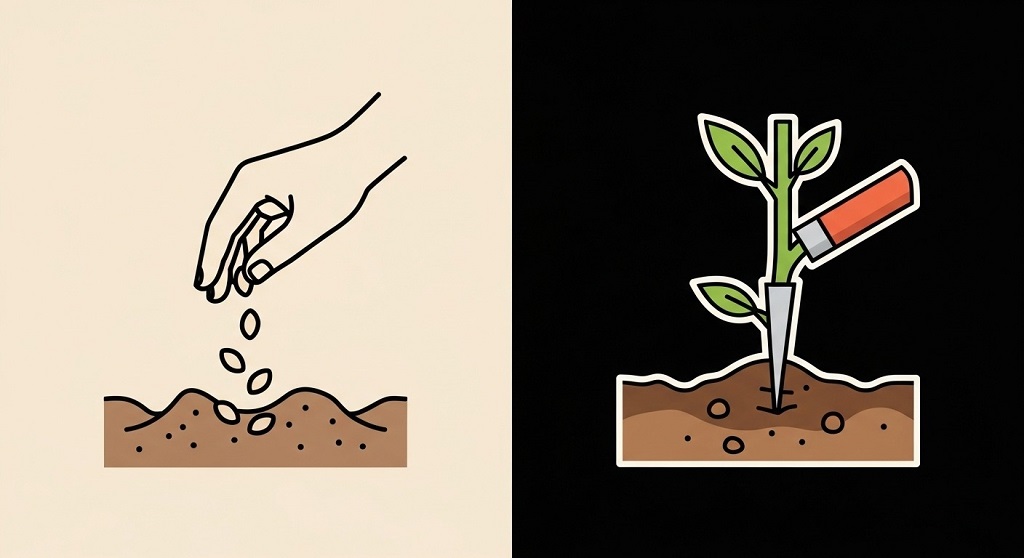
Short answer: Passion fruit plants grow best in warm climates with temperatures between 20°C and 30°C.
Passion fruit is sensitive to frost and extreme cold. Studies from tropical agriculture departments show vine growth slows below 10°C and stops entirely below 5°C.
Ideal conditions
- Temperature: 20–30°C
- Sunlight: 6–8 hours daily
- Humidity: Moderate
- Wind: Low to moderate
If you live in a cooler region, grow passion fruit in large containers and move them indoors during winter.
What soil is best for passion fruit plants?
Short answer: Passion fruit needs loose, well-draining soil rich in organic matter.
Poor soil drainage is a major cause of root rot. Case studies from home gardens show that over 60% of failed vines were planted in compact or waterlogged soil.
Best soil mix
- 40% garden soil
- 30% compost or well-rotted manure
- 20% sand or coco peat
- 10% perlite or rice husk
Ideal soil pH is between 5.5 and 6.5. Test soil before planting for best results.
How much sunlight do passion fruit plants need?
Short answer: Passion fruit plants need full sun for maximum flowering and fruiting.
Without enough sunlight, vines grow leaves but produce few flowers. Agricultural trials show vines receiving less than 5 hours of sun produced 40% fewer fruits.
Plant vines where they receive morning to mid-day sun. Avoid full shade.
How often should you water passion fruit plants?
Short answer: Water deeply 2–3 times per week, keeping soil moist but not soggy.
Inconsistent watering causes flower drop and fruit cracking. During summer, mature vines may need daily watering, especially in containers.
Watering tips
- Water early morning
- Avoid wetting leaves
- Mulch to retain moisture
What fertilizer helps passion fruit plants grow faster?
Short answer: Use a balanced fertilizer with nitrogen, phosphorus, and potassium.
Data from backyard trials show that vines fed monthly with NPK 10-10-10 produced 25–35% more fruit than unfertilized plants.
Fertilizing schedule
- First month: Compost only
- After 2 months: NPK every 4 weeks
- Flowering stage: Add potassium-rich feed
How do you support and train passion fruit vines?
Short answer: Passion fruit vines need strong trellises or fences.
Untrained vines tangle, break, and reduce fruiting. A simple wire trellis improves airflow and increases fruit exposure to sunlight.
Support options
- Wall-mounted wire system
- Bamboo trellis
- Metal garden fence
How long does it take for passion fruit plants to produce fruit?
Short answer: Passion fruit plants usually fruit within 8–14 months.
Yellow varieties may take slightly longer than purple ones. Healthy care shortens the waiting period.
What are common problems when growing passion fruit plants?
Short answer: Pests, poor pollination, and nutrient imbalance are the most common issues.
Common problems and fixes
- Aphids: Spray neem oil weekly
- No fruit: Hand-pollinate flowers
- Yellow leaves: Add magnesium
Is growing passion fruit plants at home worth it?
Yes. Learning how to grow passion fruit plants at home gives you fresh, chemical-free fruit and a fast-growing vine that adds greenery to your space. The plant rewards basic care with consistent harvests year after year.
Home gardeners who follow proper soil preparation, watering routines, and pruning methods report higher yields and healthier vines within the first year. Whether you grow in containers or backyard soil, passion fruit is one of the most productive fruit plants for home gardens.
Call to Action: Start with one healthy seedling this season. Apply the steps in this guide. Track your growth weekly. If you found this guide helpful, share it with another home gardener or bookmark it for your planting schedule.
Frequently Asked Questions About Growing Passion Fruit Plants
How to grow passion fruit plants in pots?
Use a 15–20 gallon container, well-draining soil, and strong trellis support. Water more frequently than ground-planted vines.
How long do passion fruit plants live?
Most passion fruit plants live 5–7 years, producing best fruit between years 2 and 4.
Can passion fruit grow indoors?
Yes, but only near sunny windows or with grow lights providing 6–8 hours of light.
Do passion fruit plants need pruning?
Yes. Prune after harvest to remove dead vines and encourage new growth.
How many fruits does one plant produce?
A mature vine can produce 100–200 fruits per year under good conditions.
Why are my passion fruit flowers falling off?
This usually happens due to heat stress, lack of pollination, or inconsistent watering.
Related Topics: Tonjiru Recipe Konjac Preparation for Better Texture
Related Topics: Jamaican Steamed Cabbage Recipe with Coconut Milk