Chicago’s food culture continues to evolve as diners seek healthier meals, refined flavors, and more immersive dining experiences. In recent years, Japanese cooking styles have gained strong momentum across the city, influencing everything from upscale omakase restaurants to casual ramen counters and sushi markets. According to the National Restaurant Association, Asian-inspired cuisine remains one of the fastest-growing dining categories in the United States, while Japanese food searches have increased steadily on major food delivery platforms. Moreover, the global popularity of japanese cuisine continues to shape restaurant innovation worldwide. As a result, Chicago chefs and restaurant owners now embrace Japanese culinary techniques to meet changing consumer preferences.
Why Japanese Cuisine Continues to Grow in Chicago
Chicago has always welcomed international food cultures because the city thrives on culinary diversity. Japanese cuisine fits naturally into this environment since it balances flavor, presentation, and health-conscious ingredients. Many diners now prefer meals that feel lighter yet still satisfying, which makes sushi, ramen, grilled seafood, and rice bowls highly appealing. Furthermore, younger consumers often look for dining experiences that feel authentic and visually attractive for social sharing. Japanese restaurants successfully combine both qualities through minimalistic presentation and carefully prepared dishes.
The city’s changing lifestyle trends also support the expansion of Japanese cooking styles. Busy professionals increasingly choose quick yet premium meals during workdays, and Japanese cuisine provides many convenient options. Bento boxes, poke bowls, and hand rolls offer portability without sacrificing quality or freshness. In addition, Chicago residents pay closer attention to ingredient sourcing and food transparency than they did a decade ago. Japanese culinary traditions emphasize seasonal ingredients and precision, which aligns perfectly with these modern expectations.
The Influence of Traditional Japanese Techniques
Precision and Knife Skills
Japanese cooking places strong importance on preparation techniques, especially knife work and ingredient handling. Chicago chefs now adopt these methods to improve consistency and elevate dish presentation across multiple restaurant categories. Fine slicing techniques help preserve texture and flavor while reducing waste during food preparation. Consequently, many restaurants train kitchen staff in Japanese-inspired cutting methods even if they do not specialize in Japanese cuisine. This influence extends into seafood restaurants, fusion eateries, and upscale steakhouses throughout Chicago.
Attention to detail also shapes customer expectations in the local dining scene. Diners now appreciate clean plating, balanced flavors, and visually organized meals more than oversized portions alone. Japanese culinary philosophy encourages chefs to focus on harmony between ingredients rather than excessive seasoning. Because of this approach, many Chicago restaurants now use lighter sauces and more natural flavor combinations. As consumer preferences continue shifting toward mindful eating, Japanese techniques remain highly influential.
Seasonal Ingredient Philosophy
Japanese cuisine traditionally values seasonality, and Chicago restaurants increasingly follow this practice to enhance freshness and sustainability. Seasonal menus allow chefs to adapt dishes according to Midwest weather patterns and ingredient availability throughout the year. During Chicago winters, restaurants often feature warming ramen bowls, grilled skewers, and hot pot dishes that provide comfort during freezing temperatures. Meanwhile, summer menus focus more on chilled noodles, fresh seafood, and citrus-based flavors that suit humid conditions. This seasonal flexibility helps restaurants maintain customer interest year-round.
Local sourcing also supports the rise of Japanese-inspired dining in Chicago. Many chefs now collaborate with Midwest farms to obtain fresh vegetables, mushrooms, and specialty herbs for Japanese dishes. As a result, restaurants create menus that blend Japanese cooking methods with Illinois-grown ingredients. This strategy strengthens sustainability efforts while also reducing supply chain delays. Customers appreciate the freshness and regional connection that these seasonal adaptations provide.
Popular Japanese Dining Trends in Chicago
The Expansion of Omakase Experiences
Omakase dining has become one of Chicago’s most talked-about restaurant experiences in recent years. The term refers to chef-selected tasting menus that highlight creativity, precision, and premium ingredients. Many Chicago diners enjoy omakase because it transforms dinner into a personalized culinary journey rather than a standard restaurant visit. Furthermore, these experiences encourage trust between the chef and the guest, which adds emotional value to the meal. High-end Japanese restaurants across Chicago now use omakase menus to distinguish themselves in a competitive market.
Social media has accelerated the popularity of this dining style significantly. Beautiful plating and exclusive tasting experiences generate strong online engagement among food enthusiasts. In addition, customers increasingly seek memorable events instead of routine restaurant visits. Omakase meals satisfy this demand by offering limited seating and carefully curated courses. Because exclusivity drives consumer interest, reservations for these experiences often fill weeks in advance.
Ramen Culture and Comfort Dining
Chicago’s cold winters make ramen especially popular during much of the year. Rich broths, slow-cooked proteins, and warm noodles provide comfort during freezing temperatures and windy evenings. Japanese ramen shops continue opening across neighborhoods because demand remains consistently high among students, professionals, and tourists alike. Additionally, restaurants now experiment with regional ramen styles that introduce customers to broader Japanese culinary traditions. This variety keeps consumers engaged while expanding appreciation for authentic Japanese cooking.
Ramen culture also appeals to diners because it combines affordability with quality. Many customers want meals that feel handcrafted without carrying luxury restaurant prices. Japanese noodle shops satisfy this expectation by serving detailed dishes in a relaxed setting. Moreover, open kitchens and visible preparation techniques create a stronger connection between diners and chefs. This transparency enhances trust and adds authenticity to the overall dining experience.
How Japanese Fusion Shapes Modern Menus
Fusion cuisine has become a major force in Chicago’s restaurant industry, and Japanese influences play a central role in this movement. Chefs increasingly combine Japanese ingredients with American, Mexican, Korean, and Mediterranean flavors to create innovative dishes. Sushi burritos, miso-glazed burgers, and wasabi-infused sauces now appear regularly on menus throughout the city. These combinations attract adventurous diners who enjoy familiar foods with creative twists. Consequently, Japanese culinary elements continue spreading beyond traditional Japanese restaurants.
Chicago’s multicultural population encourages experimentation because diners remain open to trying diverse flavor profiles. Restaurants benefit from this openness by developing hybrid menus that appeal to broader audiences. For example, many gastropubs now incorporate Japanese marinades or fermentation techniques into meat and seafood dishes. This integration creates unique flavor depth while preserving approachable menu options. As fusion cuisine evolves further, Japanese cooking methods will likely remain a strong source of inspiration.
Japanese Street Food Influence
Street food concepts from Japan have also gained visibility across Chicago dining trends. Takoyaki, karaage, yakitori, and Japanese-style sandwiches now appear at food halls, festivals, and casual eateries throughout the city. These smaller dishes appeal to younger consumers who prefer shareable meals and flexible dining experiences. Furthermore, street food allows restaurants to introduce Japanese flavors at accessible price points. This affordability helps expand customer interest in broader Japanese cuisine.
Food trucks and pop-up events have contributed heavily to this trend as well. Chicago’s summer festival season creates strong opportunities for Japanese-inspired vendors to attract large crowds. Since many customers first encounter these dishes at outdoor events, restaurants often gain loyal followers afterward. This exposure increases awareness of lesser-known Japanese specialties beyond sushi and ramen. Over time, these street food influences continue reshaping local dining preferences.
Health and Wellness Driving Japanese Dining Choices
Health-conscious eating remains one of the strongest reasons behind Japanese cuisine’s growth in Chicago. Many Japanese dishes emphasize lean proteins, vegetables, seafood, rice, and fermented ingredients that support balanced nutrition. Consumers increasingly avoid overly processed foods and heavy sauces, especially during workweeks. Japanese meals often provide satisfying portions without creating the heaviness associated with some traditional fast food options. Because wellness trends continue expanding, Japanese cooking styles fit naturally into modern eating habits.
Fermented foods like miso, natto, and pickled vegetables also attract attention for their digestive health benefits. Chicago diners now show stronger interest in gut health and functional ingredients than in previous years. Japanese cuisine offers many naturally fermented items that align with these wellness goals. In addition, portion control within traditional Japanese meals encourages mindful eating practices. These health-focused qualities strengthen long-term demand for Japanese-inspired dining.
Restaurants also adapt menus to accommodate dietary preferences more effectively than before. Vegetarian sushi rolls, gluten-free soy sauce options, and plant-based ramen broths help businesses serve wider audiences. As dietary awareness grows, flexibility becomes essential for restaurant success in Chicago’s competitive market. Japanese cuisine adapts well because many dishes already emphasize simple ingredients and customizable preparation. This adaptability further increases its mainstream appeal.
The Role of Ambiance and Dining Experience
Japanese dining culture emphasizes atmosphere as much as food quality, and Chicago restaurants increasingly recognize this connection. Minimalist interiors, natural wood elements, and calm lighting create relaxing dining environments that contrast with louder restaurant concepts. Many consumers now value peaceful dining experiences that encourage conversation and mindfulness. Japanese-inspired restaurant design successfully delivers this atmosphere while enhancing overall customer satisfaction. Consequently, ambiance has become a major factor in the popularity of Japanese dining establishments.
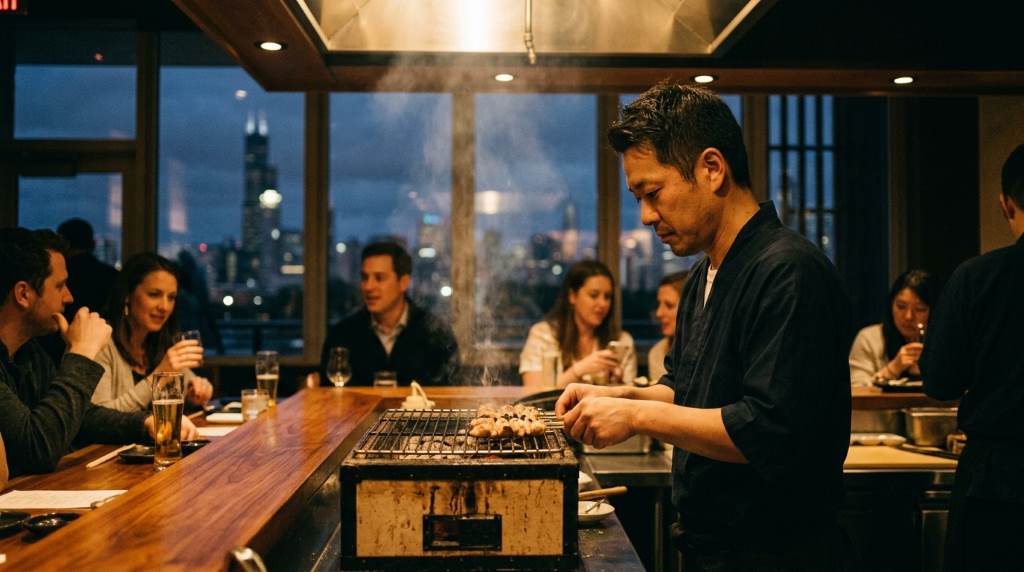
Open sushi bars and chef interaction also contribute to customer engagement. Diners enjoy watching skilled chefs prepare meals with precision and confidence in real time. This visual experience creates entertainment value while reinforcing perceptions of freshness and craftsmanship. Moreover, customers often feel more connected to the restaurant when they observe preparation techniques directly. Chicago restaurants continue adopting these interactive elements to strengthen customer loyalty.
Business Opportunities for Chicago Restaurants
Restaurant owners in Chicago increasingly view Japanese cuisine as a profitable business opportunity due to growing consumer demand. Japanese-inspired concepts often attract both loyal repeat customers and curious first-time visitors seeking new experiences. Furthermore, premium menu pricing becomes easier to justify when restaurants emphasize craftsmanship and ingredient quality. This pricing flexibility helps businesses maintain profitability despite rising food and labor costs. Therefore, many investors continue supporting Japanese dining ventures across the city.
Restaurants can also benefit from strategic menu diversification using Japanese cooking styles. Adding ramen bowls, sushi appetizers, or Japanese sauces allows businesses to modernize menus without completely changing their brand identity. This gradual integration reduces operational risk while expanding customer appeal. In addition, social media marketing becomes more effective because Japanese dishes often photograph exceptionally well. Visual appeal remains a major advantage in today’s digital restaurant economy.
Practical Tips for Restaurants Adopting Japanese Influences
Restaurants considering Japanese-inspired menu additions should focus on authenticity and ingredient quality first. Customers quickly recognize poorly executed dishes, especially in cities with competitive food scenes like Chicago. Staff training remains essential because Japanese preparation methods require precision and consistency. Businesses should also research local ingredient suppliers to maintain freshness throughout changing Midwest seasons. Strong sourcing practices help protect both flavor quality and restaurant reputation.
Restaurant owners should also consider seasonal adjustments that suit Chicago’s climate patterns. Warm noodle dishes and grilled specialties perform well during harsh winters, while lighter seafood dishes attract more interest during humid summers. Flexible menus allow restaurants to stay relevant throughout the year while reducing ingredient waste. In addition, businesses should introduce new items gradually to measure customer response effectively. Careful testing improves long-term success when expanding into Japanese-inspired cuisine.
Related:
Tonjiru Recipe Konjac Preparation for Better Texture
Jamaican Steamed Cabbage Recipe with Coconut Milk
The Future of Japanese Cooking Styles in Chicago
Japanese cooking styles will likely continue influencing Chicago dining trends for many years because consumer demand remains strong and diverse. Younger generations especially value authenticity, craftsmanship, and health-conscious eating habits that align closely with Japanese culinary traditions. Furthermore, chefs continue finding creative ways to merge Japanese techniques with local Midwest ingredients and global flavors. This adaptability ensures that Japanese cuisine remains both traditional and innovative at the same time. As a result, Chicago’s restaurant landscape will probably see even more Japanese-inspired concepts emerge in the future.
Technology and delivery platforms may also accelerate growth within this category. Sushi, rice bowls, and ramen travel relatively well compared to many other restaurant meals, making them ideal for takeout and delivery services. Restaurants that optimize packaging and presentation can maintain food quality while expanding customer reach. Additionally, online food culture continues exposing consumers to regional Japanese specialties they may not have discovered previously. Increased exposure will likely encourage further experimentation among Chicago diners.
Conclusion
The rise of Japanese cooking styles in Chicago reflects broader changes in how people approach dining, health, and culinary experiences. From omakase counters and ramen shops to fusion menus and seasonal sourcing, Japanese influences now shape many areas of the city’s restaurant culture. These trends continue growing because they combine flavor, wellness, craftsmanship, and visual appeal in ways that resonate with modern consumers. Restaurant owners who embrace authentic techniques and thoughtful menu development can position themselves strongly within Chicago’s competitive dining market. If you want to stay ahead of evolving food trends, now is the perfect time to explore how Japanese cooking styles can transform both dining experiences and restaurant success.
FAQs
Why is Japanese cuisine becoming popular in Chicago?
Japanese cuisine attracts Chicago diners because it offers healthy ingredients, refined flavors, and immersive dining experiences.
What Japanese dishes are trending most in Chicago?
Ramen, omakase sushi, poke bowls, yakitori, and Japanese street food remain highly popular across the city.
How does Chicago weather influence Japanese dining trends?
Cold winters increase demand for warm dishes like ramen and hot pot, while summers favor lighter seafood and noodle meals.
Are Japanese fusion restaurants growing in Chicago?
Yes, many Chicago restaurants now blend Japanese ingredients and techniques with global cuisines to attract modern diners.
What makes Japanese dining experiences unique?
Japanese restaurants often focus on presentation, seasonal ingredients, precision cooking, and calming atmospheres.