Many home bakers in Austin feel frustrated when a beautiful loaf suddenly sinks after baking. According to recent baking surveys, nearly 40% of beginner bakers struggle with collapsed bread at least once each month. Warm Texas humidity and rapid indoor temperature changes often create hidden baking problems. Some people even search for solutions after a bread machine loaf sank in middle because similar baking science affects handmade loaves too. Therefore, understanding local kitchen conditions can help Austin bakers create stronger, taller, and more reliable homemade bread every time.
How Austin Weather Affects Homemade Bread
Austin kitchens face unique climate challenges throughout the year. High humidity levels can weaken dough structure and increase excess moisture inside bread. In addition, sudden heat changes between air-conditioned homes and outdoor temperatures affect yeast activity quickly. Bakers often overlook how local conditions influence bread stability after baking.
Warm air causes yeast to ferment faster than expected in many Texas homes. As a result, dough may rise too quickly before gluten fully develops. Weak gluten traps gas poorly and allows the loaf to collapse during cooling. Professional bakers carefully monitor room temperature because even small changes affect final loaf structure.
Local food culture in Texas also encourages creative baking styles with rich ingredients. Similar to the bold textures discussed in pule cheese origin and taste, homemade bread often depends on balanced moisture and structure. Heavy additions like cheese, butter, or oils can increase loaf instability. Therefore, Austin bakers should measure rich ingredients carefully during humid months.
Humidity Creates Hidden Dough Problems
Humidity changes flour performance more than most people realize. Flour naturally absorbs moisture from the air before mixing even begins. Consequently, bakers may unknowingly add too much water to already damp flour. Sticky dough often rises dramatically but lacks the strength to hold shape after baking.
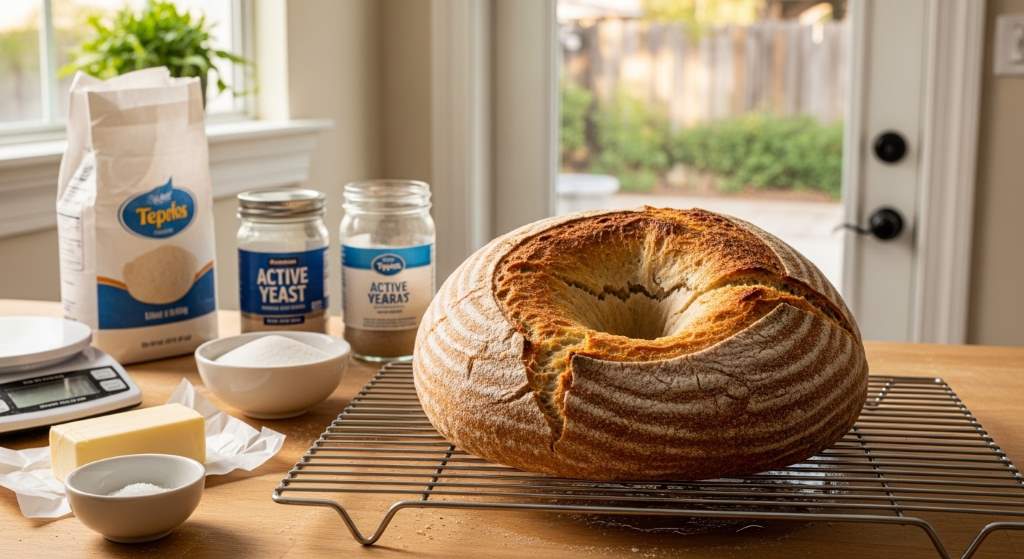
Many Austin kitchens maintain indoor humidity above ideal bread-making levels during spring and summer. This environment weakens crust formation while trapping extra steam inside the loaf. Eventually, the bread cools unevenly and sinks in the center. A slightly firmer dough usually performs better in local conditions.
Common Mistakes That Cause Bread to Collapse
Several simple baking mistakes can ruin an otherwise perfect loaf. Overproofing remains one of the most common causes of collapsed bread in Austin homes. Dough that rises too long loses structure and becomes fragile during baking. Therefore, timing matters just as much as ingredient quality.
Many home bakers rely only on recipe timing instead of observing dough texture. However, fermentation speed changes daily depending on kitchen temperature and humidity. A loaf that proofs perfectly in winter may overproof during a hot summer afternoon. Experienced bakers learn to judge dough readiness visually rather than by the clock.
Weak gluten development also contributes to sinking bread. Kneading strengthens gluten strands that trap fermentation gases inside the dough. Without enough kneading, the loaf rises quickly but collapses once removed from the oven. Fortunately, proper mixing techniques improve bread stability immediately.
Using Too Much Yeast
Some bakers add extra yeast hoping for taller bread with softer texture. Unfortunately, too much yeast creates rapid gas production and unstable dough structure. The loaf may appear large during baking but sink dramatically afterward. Moderate fermentation usually produces stronger and more flavorful bread.
Commercial yeast works aggressively in warm Austin kitchens because temperatures often remain ideal for fermentation. Therefore, recipes from colder climates may require slightly less yeast locally. Reducing yeast by small amounts can improve loaf strength significantly. Bakers should test adjustments slowly until they find reliable results.
Opening the Oven Too Early
Many people open the oven door repeatedly to check bread progress. This habit releases heat and disrupts proper oven spring during critical baking stages. As a result, the loaf structure may weaken before it fully sets. Bread needs stable heat for strong internal support.
Frequent temperature drops affect homemade bread more than commercial bakery products. Austin kitchens already experience fluctuating temperatures from strong air conditioning systems. Therefore, maintaining consistent oven heat becomes even more important locally. Using the oven light instead of opening the door helps preserve baking stability.
The Science Behind Collapsing Bread
Bread structure depends on a balance between gas production and gluten strength. Yeast produces carbon dioxide while gluten traps those gases inside the dough. When this balance fails, the loaf collapses during cooling. Understanding this process helps bakers solve problems faster.
Steam inside bread continues moving after baking ends. If the crust forms too slowly, internal moisture weakens the loaf structure from within. Consequently, the center sinks while the outer edges remain firm. This problem appears often in humid Austin kitchens where crust formation takes longer.
Cooling methods also affect bread stability after baking. Some bakers leave bread inside the pan too long after removing it from the oven. Trapped steam softens the crust and encourages collapse. Therefore, transferring bread to a cooling rack immediately improves airflow and loaf strength.
Flour Quality Matters More Than Expected
Different flour brands absorb water differently depending on protein content and storage conditions. Low-protein flour creates weaker gluten networks that cannot support large rises. Consequently, bread may appear successful initially but sink during cooling. High-quality bread flour provides better structural support for homemade loaves.
Texas humidity also affects flour storage in surprising ways. Flour stored near stoves or dishwashers absorbs moisture quickly from the surrounding air. Therefore, airtight containers become essential for consistent baking performance. Fresh and properly stored flour creates more predictable dough behavior.
How Ingredient Choices Influence Bread Stability
Rich ingredients change dough chemistry and affect bread structure significantly. Butter, milk, eggs, and sugar create softer texture but also weaken gluten development. Therefore, bakers must balance softness with structural stability carefully. Small ingredient adjustments often prevent major baking failures.
Creative dessert-inspired breads have become popular in Austin home kitchens recently. Recipes influenced by treats like the vegan gansito cake recipe often include extra sugar and moisture. These additions produce tender bread but increase collapse risk if measurements remain inaccurate. Bakers should reduce liquid slightly when adding sweet ingredients.
Salt also plays a critical role in bread structure and fermentation control. Some health-conscious bakers reduce salt dramatically without realizing its structural importance. However, insufficient salt allows yeast to ferment too aggressively. Balanced seasoning strengthens gluten while improving overall flavor.
The Problem With Excess Water
Hydration levels greatly influence bread texture and stability during baking. Wet dough produces airy loaves but becomes difficult to support structurally. As a result, many high-hydration breads collapse if handled improperly. Austin humidity often requires slightly lower hydration than national recipes recommend.
Beginners frequently add extra flour during kneading instead of adjusting water gradually at mixing time. This approach creates uneven dough consistency and weak texture. Therefore, measuring liquids carefully before mixing remains essential for stable bread. Digital kitchen scales improve accuracy dramatically.
Best Baking Practices for Austin Home Kitchens
Successful bread baking begins with understanding local kitchen conditions clearly. Bakers should monitor room temperature and humidity regularly while preparing dough. Small environmental adjustments can improve bread consistency significantly. Professional bakers often treat baking like controlled kitchen science.
Using cooler water during hot Texas afternoons slows fermentation and improves dough strength. Likewise, shorter proofing times help prevent overexpansion in warm kitchens. Bakers should also avoid placing dough near sunny windows or hot appliances. Stable conditions create stronger and more reliable bread structure.
Many Austin bakers now experiment with themed homemade meals and creative kitchen gadgets. Similar to the playful techniques in star wars pasta at home, successful bread baking combines creativity with precision. However, artistic baking still depends on careful timing and ingredient balance. Reliable methods support consistent results even with fun recipe variations.
Helpful Tips for Stronger Homemade Bread
- Use bread flour with higher protein content for stronger gluten.
- Reduce proofing time during hot or humid Austin afternoons.
- Measure ingredients with a digital scale for better accuracy.
- Cool bread completely on a wire rack after baking.
- Keep flour stored in airtight containers away from heat.
- Avoid opening the oven during the first half of baking.
Unique Austin Kitchen Factors Most Bakers Ignore
Many Austin homes use powerful air conditioning systems throughout the year. These systems create sudden indoor airflow that affects dough surfaces during proofing. Dry exterior crusts can form while the interior continues fermenting rapidly. Consequently, uneven fermentation increases the risk of collapse after baking.
Modern open-concept kitchens also expose dough to temperature swings from cooking appliances nearby. Dishwashers, ovens, and stovetops release heat that alters fermentation unexpectedly. Therefore, dough placement matters more than many home bakers realize. Choosing a quiet and temperature-stable proofing area improves loaf consistency.
Water composition in Austin can also influence homemade bread texture subtly. Mineral-rich tap water sometimes affects yeast activity and gluten development differently than filtered water. Although the changes seem small, sensitive dough recipes may respond noticeably. Bakers struggling repeatedly with collapse should test filtered water for comparison.
How to Rescue Future Loaves Successfully
Every collapsed loaf offers valuable information for future baking improvements. Bakers should track kitchen temperature, proofing time, and hydration levels after each attempt. Small baking journals help identify patterns quickly over time. Consistent observations lead to better bread outcomes.
Testing one change at a time creates more reliable results than adjusting everything simultaneously. For example, reducing proofing time slightly may solve the issue without altering ingredients. Likewise, changing flour brands can strengthen gluten structure immediately. Controlled experimentation helps bakers understand their dough better.
Homemade bread rewards patience, consistency, and environmental awareness. Austin bakers face unique climate challenges, yet proper techniques can overcome these obstacles successfully. Start applying these local baking strategies today to create taller, stronger, and more reliable loaves. With careful adjustments and practice, your homemade bread can become consistently beautiful and delicious.
FAQs
Why does my bread collapse after cooling?
Collapsed bread usually results from overproofing, weak gluten, or excess moisture inside the loaf.
Does Austin humidity affect homemade bread?
Yes, high humidity changes dough hydration and speeds up yeast fermentation significantly.
Can too much yeast make bread sink?
Yes, excessive yeast causes rapid rising that weakens dough structure during baking.
Should I cool bread inside the pan?
No, removing bread from the pan immediately prevents trapped steam from softening the loaf.
What flour works best for stable bread?
High-protein bread flour creates stronger gluten and supports taller homemade loaves.