
Chicago families are changing many everyday routines in 2026. One noticeable shift involves fewer late-night drive-thru visits after work, school events, and evening activities. Recent consumer studies show that food prices remain a major concern for households, while health awareness continues to grow. At the same time, many parents now understand how fast food craving psychology can influence food choices during tired and stressful moments. As a result, families across Chicago are making more intentional decisions about late-night eating.
The Rising Cost of Convenience Food
Many Chicago households have noticed that drive-thru meals cost significantly more than they did a few years ago. Even basic family orders can quickly exceed a reasonable food budget. Consequently, parents now compare convenience costs with home-cooked alternatives. This comparison often reveals substantial monthly savings.
Families who once relied on late-night food runs now plan meals more carefully. They prepare extra portions during dinner and save leftovers for later cravings. Therefore, fewer people feel the need to stop at fast-food locations after evening activities. This habit also reduces unnecessary spending.
Chicago residents face additional financial pressures from housing, transportation, and utility expenses. Because of these challenges, families review every category of spending more closely. Food purchases receive special attention since they occur daily. Small savings from avoiding drive-thru visits can accumulate quickly.
Health Awareness Is Driving Better Choices
Health education has become more accessible through schools, healthcare providers, and community programs. Parents understand the connection between frequent fast-food consumption and long-term wellness concerns. As a result, many households prioritize balanced meals over quick convenience options. These choices support healthier lifestyles for both adults and children.
Nutrition labels and mobile food tracking tools have also influenced behavior. Families can easily review calorie counts, sodium levels, and ingredient lists before purchasing food. Therefore, many consumers rethink impulsive late-night orders. Better information often leads to better decisions.
Children themselves are becoming more aware of nutrition topics. Schools increasingly discuss healthy eating habits and balanced meal planning. Consequently, young family members sometimes encourage healthier food choices at home. This influence creates positive changes across entire households.
Chicago’s Climate Plays a Major Role
Chicago weather creates unique challenges throughout the year. During winter months, icy roads, snow accumulation, and freezing temperatures make unnecessary nighttime driving less appealing. Families often prefer staying indoors rather than making extra trips for food. Safety concerns strengthen this preference.
Cold evenings encourage meal preparation before bad weather arrives. Many households stock soups, casseroles, and frozen homemade meals for convenience. Therefore, late-night cravings can be satisfied without leaving home. This strategy saves both time and money.
Summer weather also influences eating patterns differently. Hot and humid evenings often encourage outdoor gatherings and backyard meals. Families plan social dining experiences earlier in the day. Consequently, fewer people depend on drive-thru restaurants late at night.
The Growth of Home Cooking Skills
More families have developed confidence in home cooking during recent years. Online tutorials, cooking apps, and community workshops make learning easier than ever. As a result, preparing quick evening meals feels less intimidating. This confidence reduces dependence on fast-food options.
Many parents enjoy exploring traditional cooking methods and cultural recipes. Some even learn techniques from resources covering cook traditional Scottish food approaches that emphasize simple ingredients and practical preparation methods. These experiences make home dining more interesting. Families often discover that cooking together strengthens relationships.
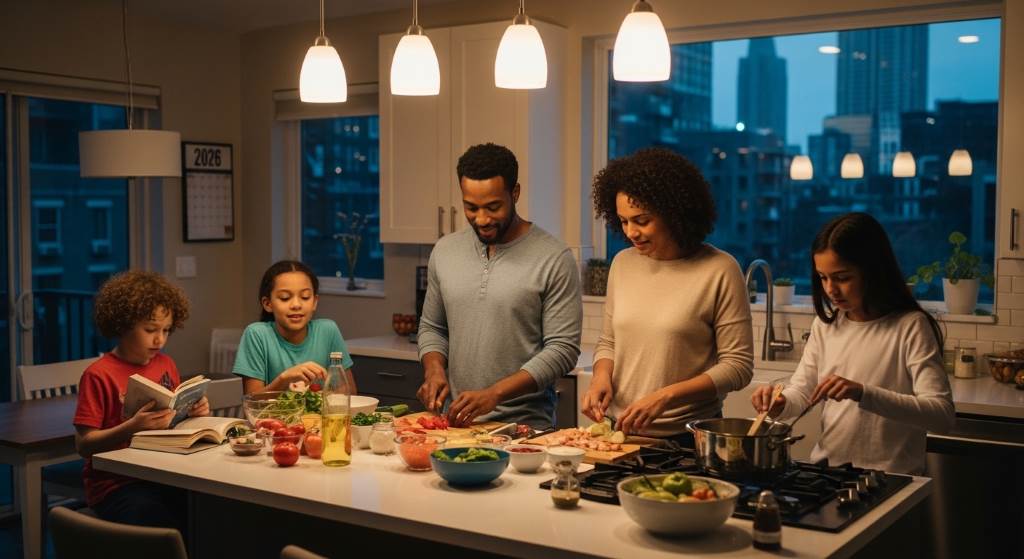
Meal preparation has also become a shared household activity. Children help with ingredient preparation and simple kitchen tasks. Therefore, family members become more invested in eating meals prepared at home. Participation increases appreciation for homemade food.
Technology Is Reducing Impulse Purchases
Budgeting apps and digital banking tools provide immediate spending visibility. Families can quickly review food expenses and identify unnecessary purchases. Consequently, many people recognize how frequently late-night drive-thru visits affect their budgets. Awareness often motivates change.
Meal planning applications offer another advantage for busy households. These tools help users organize shopping lists and weekly menus. Therefore, families experience fewer moments of uncertainty about what to eat. Better preparation reduces spontaneous food purchases.
Smart kitchen appliances also support healthier routines. Slow cookers, air fryers, and programmable pressure cookers simplify meal preparation. As a result, convenient homemade food remains available even after long days. Convenience no longer belongs exclusively to fast-food restaurants.
A Unique Factor: The Shift Toward Sleep Optimization
One uncommon but important trend involves sleep quality awareness. Chicago families increasingly understand how late-night eating can affect sleep patterns. Health experts frequently discuss digestion, energy levels, and rest quality. Consequently, households reconsider evening food habits.
Parents recognize that heavy meals before bedtime may contribute to discomfort and interrupted sleep. Therefore, they encourage lighter evening snacks instead of large drive-thru meals. Better sleep benefits work performance, school focus, and overall health. This motivation remains powerful.
Many wearable devices now track sleep metrics and recovery patterns. Families review this information regularly and notice connections between food choices and rest quality. As a result, late-night fast-food consumption appears less attractive. Data often reinforces healthy habits.
Food Waste Awareness Is Changing Buying Habits
Many Chicago households actively seek ways to maximize grocery purchases. They understand that unused ingredients represent lost money and resources. Consequently, families create meal plans that utilize available food before purchasing additional meals. This mindset reduces unnecessary spending.
Practical strategies from guides about reduce food waste methods encourage smarter kitchen management. Families learn to repurpose leftovers into new meals and snacks. Therefore, existing food often satisfies late-night hunger. This habit supports both financial and environmental goals.
Leftover management has become easier through modern storage solutions. Airtight containers and labeling systems help families track prepared meals. As a result, food remains fresh and accessible when cravings occur. Convenience and sustainability work together effectively.
Parents Are Modeling Better Habits for Children
Parents increasingly recognize the influence of their own behaviors. Children often imitate eating patterns and food preferences observed at home. Therefore, adults make conscious efforts to demonstrate healthier decision-making. Consistency helps reinforce positive habits.
Family discussions about nutrition now occur more frequently. Parents explain the benefits of balanced meals and mindful eating practices. Consequently, children gain a better understanding of food choices. Education supports long-term behavioral change.
Even small decisions can have lasting effects on younger family members. Choosing homemade snacks over drive-thru meals sends a powerful message. As a result, children develop healthier expectations regarding convenience food. These lessons can continue into adulthood.
Practical Ways Chicago Families Are Reducing Late-Night Drive-Thru Visits
Successful households often follow simple strategies that fit busy schedules. These methods reduce temptation while maintaining convenience. Therefore, families can enjoy healthier routines without major lifestyle disruptions. Small adjustments frequently produce significant results.
- Prepare weekly meal plans in advance.
- Keep healthy snacks readily available.
- Cook larger dinner portions for leftovers.
- Use weather forecasts to plan meals.
- Create a dedicated family food budget.
- Store quick homemade meal options in the freezer.
Many families also establish clear evening eating routines. Consistent schedules reduce random hunger episodes late at night. Consequently, fewer situations lead to impulsive restaurant visits. Structure supports better decision-making.
Emergency Snack Stations
Some Chicago households create designated snack areas filled with nutritious options. These stations include fruits, nuts, yogurt, and prepared leftovers. Therefore, family members can quickly satisfy hunger without leaving home. Accessibility makes healthy choices easier.
Weather-Based Meal Planning
Local weather forecasts help families prepare for changing conditions. During snowstorms or cold fronts, households often cook larger meals in advance. As a result, food remains available when outdoor travel becomes inconvenient. Planning reduces dependence on restaurants.
The Future of Family Dining in Chicago
Current trends suggest that the reduction in late-night drive-thru visits will continue. Families increasingly prioritize financial stability, health, and convenience at home. Therefore, traditional fast-food habits may continue evolving. Consumer behavior often reflects broader lifestyle priorities.
Restaurants will likely adapt by offering healthier options and family-focused value packages. However, many households have already discovered effective alternatives. Consequently, convenience alone may no longer guarantee customer loyalty. Expectations continue to change.
Chicago families are proving that meaningful lifestyle improvements can start with small daily decisions. Avoiding unnecessary late-night drive-thru trips creates benefits across multiple areas of life. As a result, households enjoy greater control over budgets, nutrition, and routines. This shift reflects a thoughtful approach to modern family living.
Conclusion
Chicago, IL families are cutting back on late-night drive-thru habits in 2026 because of rising costs, growing health awareness, changing weather considerations, improved cooking skills, and a stronger focus on sleep and family wellness. These factors work together to support smarter food decisions. Moreover, practical planning strategies make the transition easier than many people expect. Start with one small change this week, create a simple meal plan, and discover how reducing late-night drive-thru visits can improve your family’s budget, health, and daily routine.
FAQs
Why are Chicago families avoiding late-night drive-thrus?
Many families want to save money, improve health, and reduce unnecessary nighttime travel.
Does Chicago weather affect late-night food choices?
Yes, harsh winter conditions often encourage families to stay home and eat prepared meals.
How can families replace late-night fast-food visits?
They can prepare leftovers, stock healthy snacks, and plan meals ahead of time.
Does reducing drive-thru visits help family budgets?
Yes, consistent reductions can save a significant amount of money over time.
Can better sleep influence food habits?
Yes, many families avoid heavy late-night meals because they may affect sleep quality.