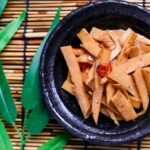
Bamboo, a staple in Asian cuisine, is more than just a versatile plant—it’s a culinary treasure that brings a unique texture and subtle flavor to dishes. In 2026, as global interest in plant-based and sustainable eating continues to rise, bamboo recipes are gaining popularity for their health benefits and eco-friendly appeal. Rich in fiber, low in calories, and packed with essential nutrients, bamboo shoots are a powerhouse ingredient that can elevate your cooking. However, many home cooks shy away from using bamboo due to unfamiliarity or misconceptions about its preparation. This guide will walk you through the essentials of cooking authentic Asian bamboo recipes at home, offering cooking tips, healthy meal ideas, and insights into the cultural significance of this remarkable ingredient. Whether you’re a seasoned chef or a curious beginner, these bamboo recipes will inspire you to explore new flavors and expand your culinary repertoire.
Why Bamboo Recipes Are Worth Exploring
Bamboo recipes are a cornerstone of Asian food, celebrated for their versatility and nutritional value. Bamboo shoots, in particular, are a rich source of dietary fiber, which aids digestion and promotes gut health. Additionally, they are low in fat and calories, making them an excellent choice for healthy meals. Bamboo also contains essential minerals like potassium, calcium, and magnesium, which support overall well-being. Beyond its health benefits, bamboo is a sustainable ingredient. As one of the fastest-growing plants on Earth, it requires minimal resources to cultivate, making it an eco-friendly choice for conscious cooks. Furthermore, bamboo’s mild, slightly nutty flavor allows it to absorb the tastes of other ingredients, making it a versatile addition to a wide range of dishes. By incorporating bamboo recipes into your cooking, you’re not just adding variety to your meals—you’re also embracing a more sustainable and health-conscious lifestyle, which directly supports the goal to reduce food waste at home by encouraging the use of flexible, adaptable ingredients that can be easily combined with leftovers and seasonal produce.
Step 1: Choose the Right Type of Bamboo
Not all bamboo is created equal, and selecting the right type is crucial for achieving the best results in your bamboo recipes. The most commonly used variety in Asian food is the tender shoot of the bamboo plant, which is harvested young and canned or sold fresh. Fresh bamboo shoots are ideal for their crisp texture and delicate flavor, but they require proper preparation to remove any bitterness. Canned bamboo shoots, on the other hand, are convenient and ready to use, making them a great option for beginners. When purchasing fresh bamboo, look for shoots that are firm, pale in color, and free from blemishes. Avoid any that appear slimy or have a strong odor, as these may be past their prime. Additionally, consider the variety of bamboo—some types are better suited for stir-fries, while others shine in soups or salads. Understanding these differences will help you choose the best bamboo for your recipes.
Step 2: Prepare Bamboo Properly
Proper preparation is key to unlocking the full potential of bamboo in your recipes. Fresh bamboo shoots must be peeled to remove the tough outer layers before cooking. Start by trimming the base and cutting off the tip, then slice the shoot lengthwise to reveal the tender inner layers. Peel away the fibrous outer skin until you reach the pale, crisp center. Once peeled, slice the bamboo into your desired shape—thin strips for stir-fries, chunks for soups, or julienne for salads. To remove any residual bitterness, boil the sliced bamboo in water for 10-15 minutes. Drain and rinse under cold water before using it in your bamboo recipes. For canned bamboo shoots, simply drain and rinse them thoroughly to remove any excess sodium or preservatives. Proper preparation ensures that your bamboo is tender, flavorful, and ready to absorb the flavors of your dish.
Step 3: Explore Classic Asian Bamboo Recipes
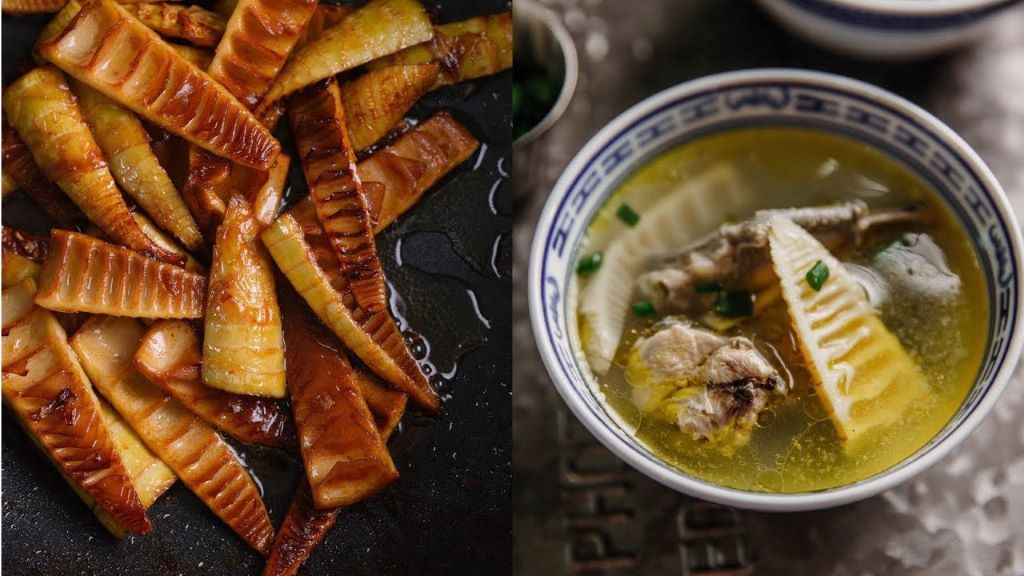
Asian cuisine offers a wealth of bamboo recipes that showcase the ingredient’s versatility. One of the most popular dishes is bamboo shoot stir-fry, a staple in Chinese cuisine. To make this dish, heat a tablespoon of oil in a wok or large skillet, then add minced garlic, ginger, and your choice of protein, such as chicken, tofu, or shrimp. Stir-fry for a few minutes until the protein is cooked, then add your prepared bamboo shoots along with vegetables like bell peppers, carrots, or snap peas. Season with soy sauce, oyster sauce, and a touch of sugar for balance. Another classic is bamboo shoot soup, a comforting and nourishing dish often enjoyed in Thai and Vietnamese cuisine. Simmer bamboo shoots with chicken or vegetable broth, mushrooms, and herbs like lemongrass or cilantro for a flavorful and aromatic soup. Additionally, bamboo can be pickled, braised, or even used in salads, offering endless possibilities for healthy meals.
Step 4: Master Cooking Tips for Bamboo
Cooking with bamboo requires a few key techniques to ensure the best results. First, always blanch fresh bamboo shoots before adding them to your dish to remove any bitterness and soften their texture. This step is especially important for dishes where the bamboo will be the star of the show. Additionally, bamboo absorbs flavors well, so don’t be afraid to use bold seasonings and sauces. Soy sauce, garlic, ginger, and chili are all excellent choices for enhancing the taste of bamboo. When stir-frying, cook bamboo quickly over high heat to retain its crispness. For soups and stews, add bamboo early in the cooking process to allow it to absorb the flavors of the broth. Finally, experiment with different cooking methods, such as grilling, roasting, or pickling, to discover new ways to enjoy bamboo. These cooking tips will help you make the most of this versatile ingredient in your bamboo recipes.
Step 5: Pair Bamboo with Complementary Ingredients
Bamboo’s mild flavor makes it an excellent canvas for a variety of complementary ingredients. In Asian food, bamboo is often paired with proteins like chicken, pork, or tofu, as well as vegetables such as mushrooms, bell peppers, and leafy greens. Additionally, bamboo works well with aromatic herbs and spices, including garlic, ginger, lemongrass, and chili. For a balanced and flavorful dish, consider the textures and flavors of your ingredients. For example, pair tender bamboo shoots with crisp vegetables and a savory sauce for a stir-fry, or combine them with hearty mushrooms and a rich broth for a soup. Don’t forget to garnish your dishes with fresh herbs like cilantro or green onions to add a pop of color and freshness. By thoughtfully pairing bamboo with complementary ingredients, you can create healthy meals that are both delicious and visually appealing.
Step 6: Incorporate Bamboo into Healthy Meals
Bamboo is a nutritious and low-calorie ingredient that can be a valuable addition to a balanced diet. Its high fiber content supports digestion and helps you feel full, making it an excellent choice for weight management. Additionally, bamboo is rich in antioxidants, which protect your cells from damage and promote overall health. To incorporate bamboo into healthy meals, consider adding it to salads, stir-fries, or soups for a boost of nutrients and texture. You can also use bamboo as a meat substitute in vegetarian or vegan dishes, thanks to its hearty texture. For a quick and easy meal, try a bamboo and vegetable stir-fry with brown rice or quinoa. For a lighter option, add bamboo to a fresh salad with mixed greens, cherry tomatoes, and a tangy vinaigrette. These healthy meals are a delicious way to enjoy the benefits of bamboo while supporting your well-being.
Step 7: Experiment with Fusion Bamboo Recipes
While bamboo is a staple in Asian food, it can also be incorporated into fusion dishes that blend different culinary traditions. For example, try a bamboo and avocado salad with a lime-cilantro dressing for a fresh and modern twist. Or, combine bamboo with coconut milk, curry paste, and your choice of protein for a Thai-inspired curry. Additionally, bamboo can be used in tacos, wraps, or even pizzas for a unique and flavorful experience. Don’t be afraid to get creative and experiment with different flavors and cuisines. Fusion bamboo recipes offer a fun and innovative way to enjoy this versatile ingredient while expanding your culinary horizons. These cooking tips will help you make the most of bamboo in a variety of dishes.
Expert Tips for Cooking with Bamboo
- Use Fresh Bamboo for Best Results: Fresh bamboo shoots have a crisp texture and delicate flavor that canned bamboo may lack. If possible, opt for fresh bamboo for your recipes.
- Blanch Before Cooking: Always blanch fresh bamboo shoots before using them in your dishes to remove any bitterness and soften their texture.
- Pair with Bold Flavors: Bamboo absorbs flavors well, so don’t be afraid to use bold seasonings and sauces to enhance its taste.
- Experiment with Cooking Methods: Try different cooking methods, such as stir-frying, boiling, grilling, or pickling, to discover new ways to enjoy bamboo.
- Store Properly: If you have leftover bamboo, store it in an airtight container in the refrigerator for up to 3 days. For longer storage, blanch and freeze the bamboo for up to 3 months.
Real-Life Examples of Bamboo Recipes
Thai Bamboo Shoot Salad: This refreshing salad combines thinly sliced bamboo shoots with mixed greens, cherry tomatoes, cucumber, and a tangy lime dressing. It’s a light and healthy meal that highlights the crisp texture of bamboo.
Chinese Bamboo Shoot Stir-Fry: A classic dish in Chinese cuisine, this stir-fry features bamboo shoots, chicken, and an assortment of vegetables, all tossed in a savory soy-based sauce. It’s a quick and easy recipe that’s perfect for a weeknight dinner.
Japanese Bamboo Shoot Rice Bowl: This comforting dish layers bamboo shoots, mushrooms, and tofu over a bed of steamed rice, all drizzled with a savory-sweet sauce. It’s a hearty and satisfying meal that showcases the versatility of bamboo.
Reviews of Bamboo Products and Tools
Aroy-D Canned Bamboo Shoots: Aroy-D offers high-quality canned bamboo shoots that are tender, flavorful, and ready to use. Their convenient packaging and consistent quality make them a great choice for home cooks.
Bamboo Steamer: A bamboo steamer is a traditional and eco-friendly tool for cooking a variety of dishes, from dumplings to vegetables. Its natural material and stackable design make it a versatile addition to any kitchen.
OXO Good Grips Peeler: This ergonomic peeler is perfect for removing the tough outer layers of fresh bamboo shoots. Its comfortable handle and sharp blade make the task quick and easy.
FAQs About Cooking Bamboo Recipes
What are bamboo recipes?
Bamboo recipes are dishes that feature bamboo shoots as a primary ingredient. These recipes are popular in Asian cuisine and can include stir-fries, soups, salads, and more.
How do I prepare fresh bamboo shoots?
To prepare fresh bamboo shoots, peel away the tough outer layers to reveal the tender center. Slice the shoot into your desired shape, then blanch in boiling water for 10-15 minutes to remove any bitterness. Drain and rinse before using in your recipes.
What are the health benefits of bamboo?
Bamboo is rich in fiber, low in calories, and packed with essential minerals like potassium, calcium, and magnesium. It supports digestion, promotes gut health, and provides antioxidants that protect your cells from damage.
Can I use canned bamboo shoots in my recipes?
Yes, canned bamboo shoots are a convenient and ready-to-use option for many recipes. Simply drain and rinse them thoroughly before adding them to your dish.
What are some classic Asian bamboo recipes?
Some classic Asian bamboo recipes include bamboo shoot stir-fry, bamboo shoot soup, and bamboo shoot salad. These dishes showcase the versatility and flavor of bamboo in Asian cuisine.
How do I store leftover bamboo?
Store leftover bamboo in an airtight container in the refrigerator for up to 3 days. For longer storage, blanch and freeze the bamboo for up to 3 months.
What are some cooking tips for bamboo?
Some cooking tips for bamboo include blanching fresh shoots before cooking, pairing with bold flavors, and experimenting with different cooking methods like stir-frying, boiling, or grilling.
Conclusion
Cooking authentic Asian bamboo recipes at home is a rewarding way to explore new flavors, embrace sustainable eating, and enjoy healthy meals. By choosing the right type of bamboo, preparing it properly, and experimenting with classic and fusion recipes, you can unlock the full potential of this versatile ingredient. Whether you’re stir-frying, souping, or salading, bamboo offers endless possibilities for delicious and nutritious dishes. Additionally, by incorporating bamboo into your cooking, you’re supporting a more eco-friendly and health-conscious lifestyle. Remember, the key to success with bamboo recipes is to have fun, get creative, and enjoy the process. With these cooking tips and insights, you’re well on your way to mastering the art of bamboo cuisine.
Call to Action
Ready to explore the world of bamboo recipes and add a new dimension to your cooking? Start by picking up some fresh or canned bamboo shoots and trying one of the classic or fusion recipes mentioned in this guide. Share your favorite bamboo dishes and cooking tips in the comments below—let’s inspire each other to get creative in the kitchen. The culinary possibilities of bamboo are waiting, and there’s no better time to start experimenting than now!